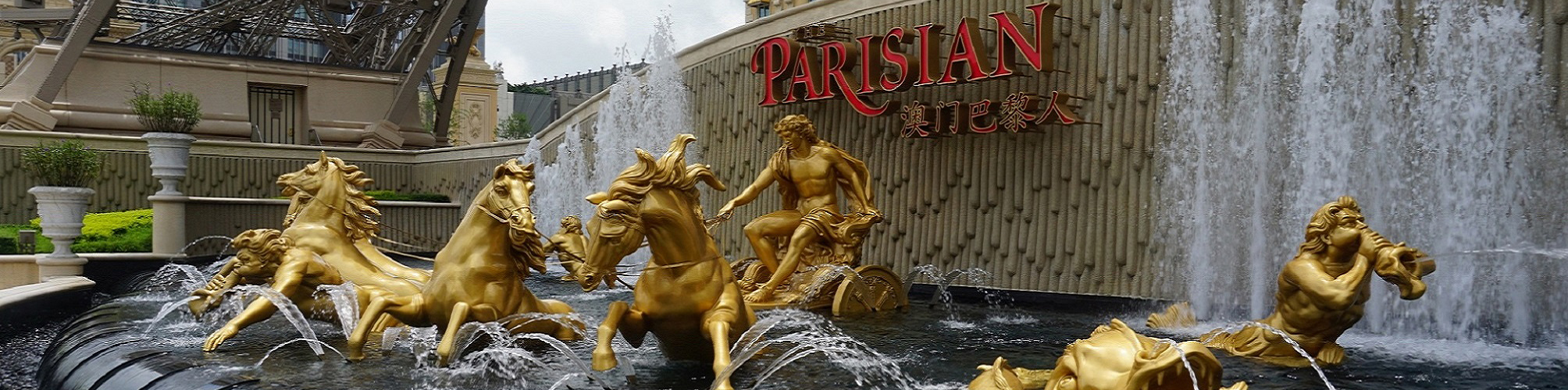


TCP (Themed Cement Plaster), a type of on-site cement plastering and shaping, is divided into two categories: wall themed plastering and (modeling and shaping, translated as 'sculptural shaping' for context). It is a novel and widely used thematic sculptural material. Using its internal structure as the modeling基准 (benchmark, translated as 'reference'), the surface is fully covered with carved cement mortar as the primary material for sculptures. The outer layer is carved and chiseled according to the required modeling details and textures to achieve the desired proportions and forms. TCP is a highly malleable material that eliminates the mold costs associated with other modeling materials and reduces some factory costs. It also enables rapid shaping and shortens construction periods, making it a new favorite among thematic landscape modeling materials. Since it is a concrete material, surface texture coatings adhere easily, allowing it to have the same lifespan as the main building structure. Moreover, it becomes increasingly realistic over time.

For TCP sculpture production, it is first necessary to communicate with the owner or designer, and create a small-scale model proportionally based on relevant drawings and materials, continuously improving and refining it through communication until approval is obtained. The steel reinforcement framework determines the shape of the finished product, with arc welding being employed for joining. The role of mesh installation is to connect the underlying cement into a cohesive whole, preventing collapse. The front of the steel reinforcement sculpture features hexagonal mesh, while the back is equipped with dense mesh. A uniform layer of fiber cement mortar premix is sprayed using the shotcrete method, and a second layer is applied when the first layer has initially set, both within the same day. The thickness of the cement mortar is generally 40mm, followed by roughening the surface to bond with the next carving layer. For the carving layer, a suitable amount of water is sprayed before shotcreting. The first layer of mortar is 20mm thick and is vigorously smoothed with a trowel to ensure good adhesion between the carving layer and the substrate, followed by a second layer of approximately 20mm. Sculpt the shape, keeping in mind that carving is three-dimensional and requires a holistic approach. Start from simplicity and gradually delve into complexity, paying attention to the overall effect from every angle. Analyze whether the form and structure are accurate, whether the form matches the creative design, and whether the relationship between the whole and the parts is unified and harmonious. Then focus on the fine treatment of the surface and its texture. Twelve hours after the carving is completed, water the sculpture for curing based on the mortar strength, and continue curing for 7 days. Conventionally, at least 28 days of curing are required before coloring can proceed. Before coloring, ensure that the substrate surface is dry, clean, and free from contamination. The coloring process should be carried out according to the sample approved by the client, with colors transitioning based on the depth of the texture. The color in deeper textures should be appropriately darker, without deviating from the natural colors, to achieve a realistic effect of wind erosion.



 繁体中文
繁体中文
 English
 繁體中文
繁體中文
 English